Measure
Natural capital, biodiversity, water, soil, landscape and climate exposure.
We help owners, companies and institutions turn territory, biodiversity and resilience into strategic value.
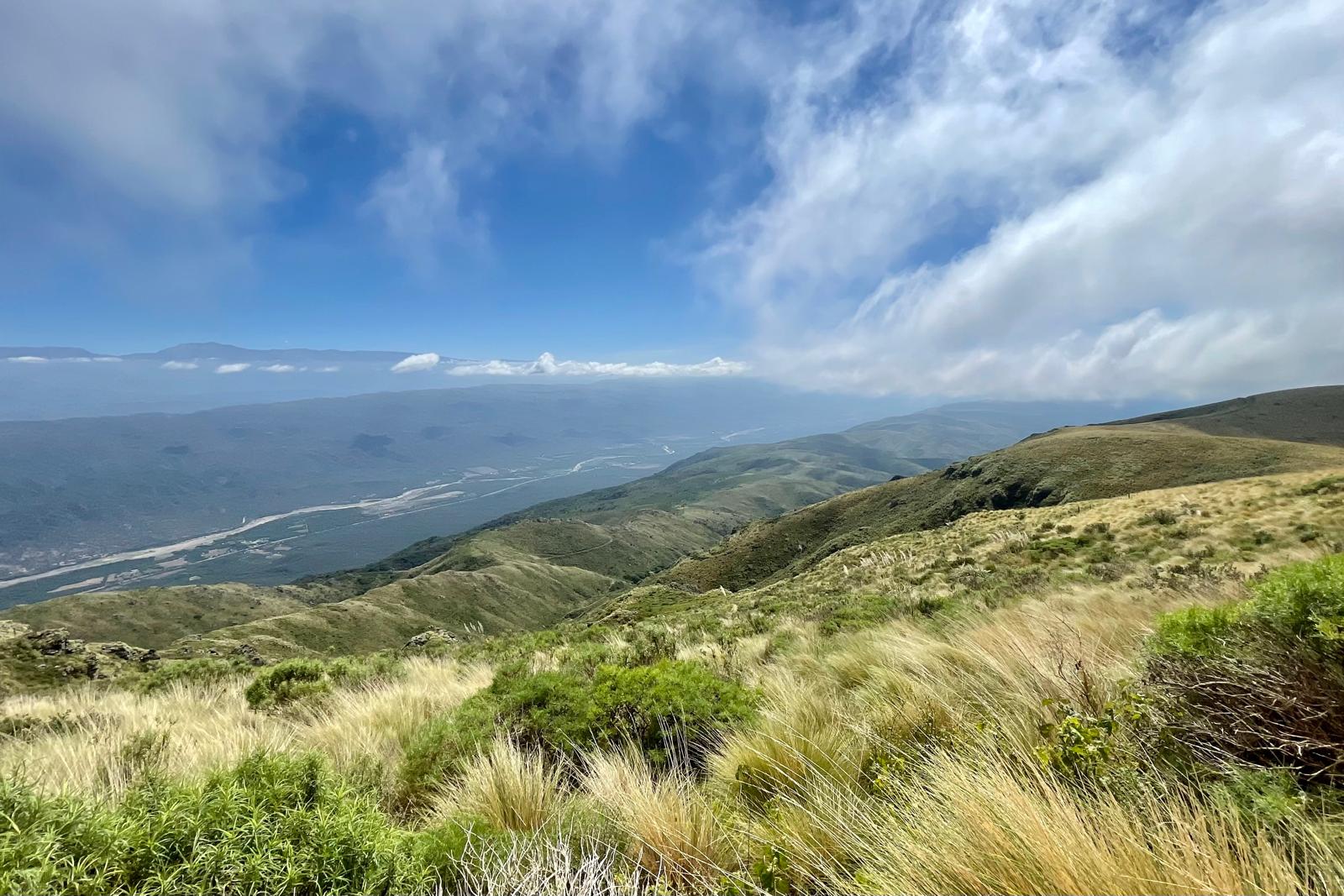
Biodiversity, water, soil, landscape and climate resilience are no longer secondary variables. They shape risk, future use, reputation and long-term value.
For decades, land has been valued mainly through productive, agricultural, forestry, urban or extractive lenses.
Yet variables such as biodiversity, ecological connectivity, climate resilience, water, soil, landscape, tree cover and restoration potential hold strategic value that many owners, companies, investors and public bodies are still not measuring or activating.
We integrate natural capital, climate resilience and restoration potential into decisions on management, investment, corporate impact and territorial transformation.
Natural capital, biodiversity, water, soil, landscape and climate exposure.
Risks, opportunities and actions according to the decision to be made.
Restoration, resilience, natural infrastructure and measurable projects.
Technical evidence for investment, governance, communication and execution.
Restoration is not cosmetic. It increases resilience, ecological value and future optionality. Drag the line to compare an initial condition with the outcome of a project designed to recover water, vegetation, biodiversity and landscape value.
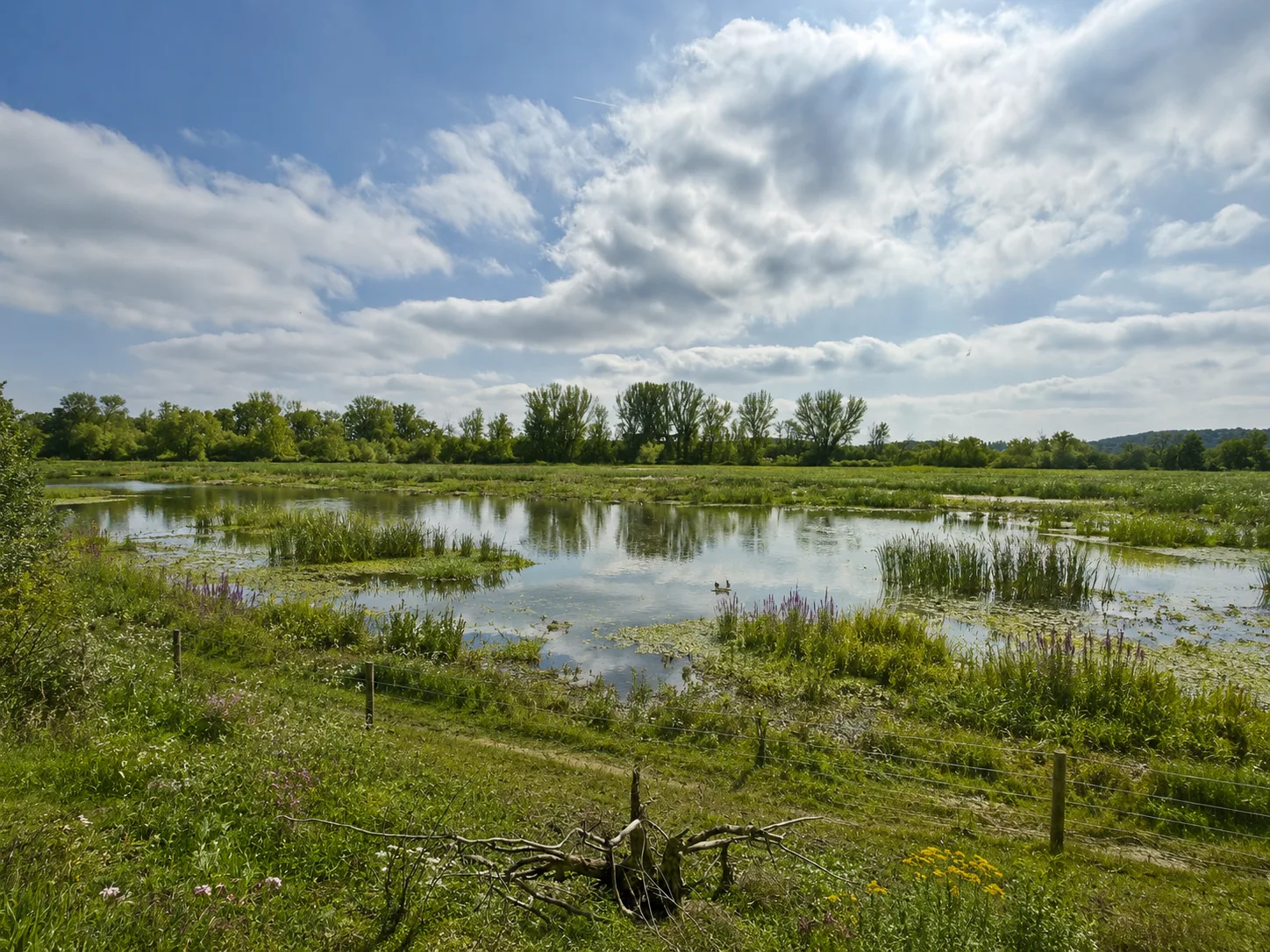
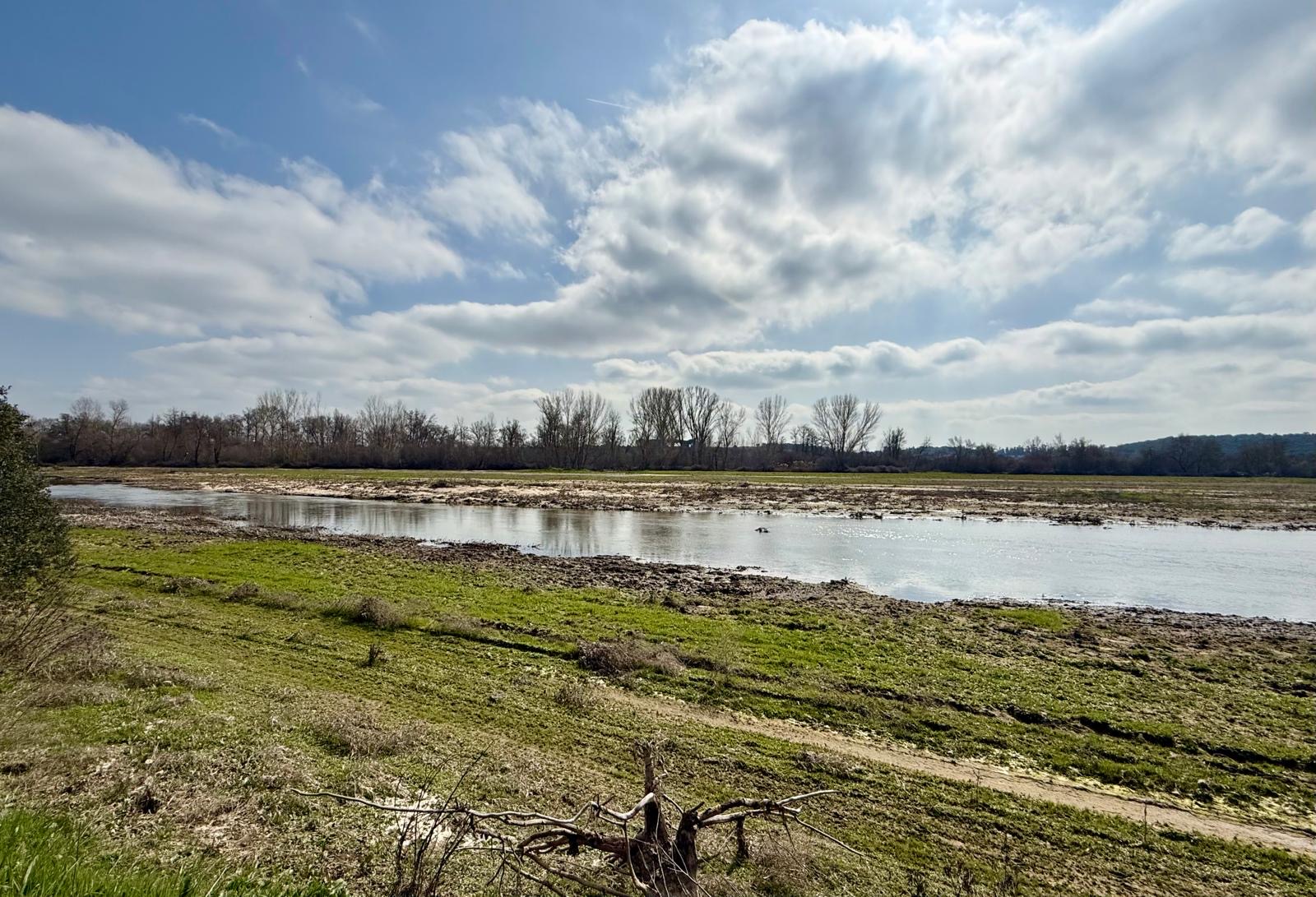
We combine environmental science, satellite imagery, data analysis and nature-based solutions to understand how a territory functions.
So owners, companies and institutions can decide with more rigour.
A methodology to measure natural capital, reduce risk, design restoration projects and turn territorial resilience into economic, environmental and reputational value.
We combine environmental analysis, territorial technology and patrimonial judgement so each decision can become an action, investment, project or measurable indicator.
Discuss an opportunityKnow before deciding
Ecological, patrimonial and risk reading to understand potential, limits and opportunities.
Patrimonial roadmap
Prioritising decisions for owners, corporations and institutions with value, risk and impact objectives.
From plan to ground
Restoration, climate resilience, biodiversity, natural infrastructure and measurable corporate projects.
Measurable value
Clear indicators for investment, risk management, communication, due diligence and sustainability criteria.
The quality of a decision starts before technical execution. We analyse each asset with patrimonial discipline while incorporating natural capital, restoration potential and climate resilience.
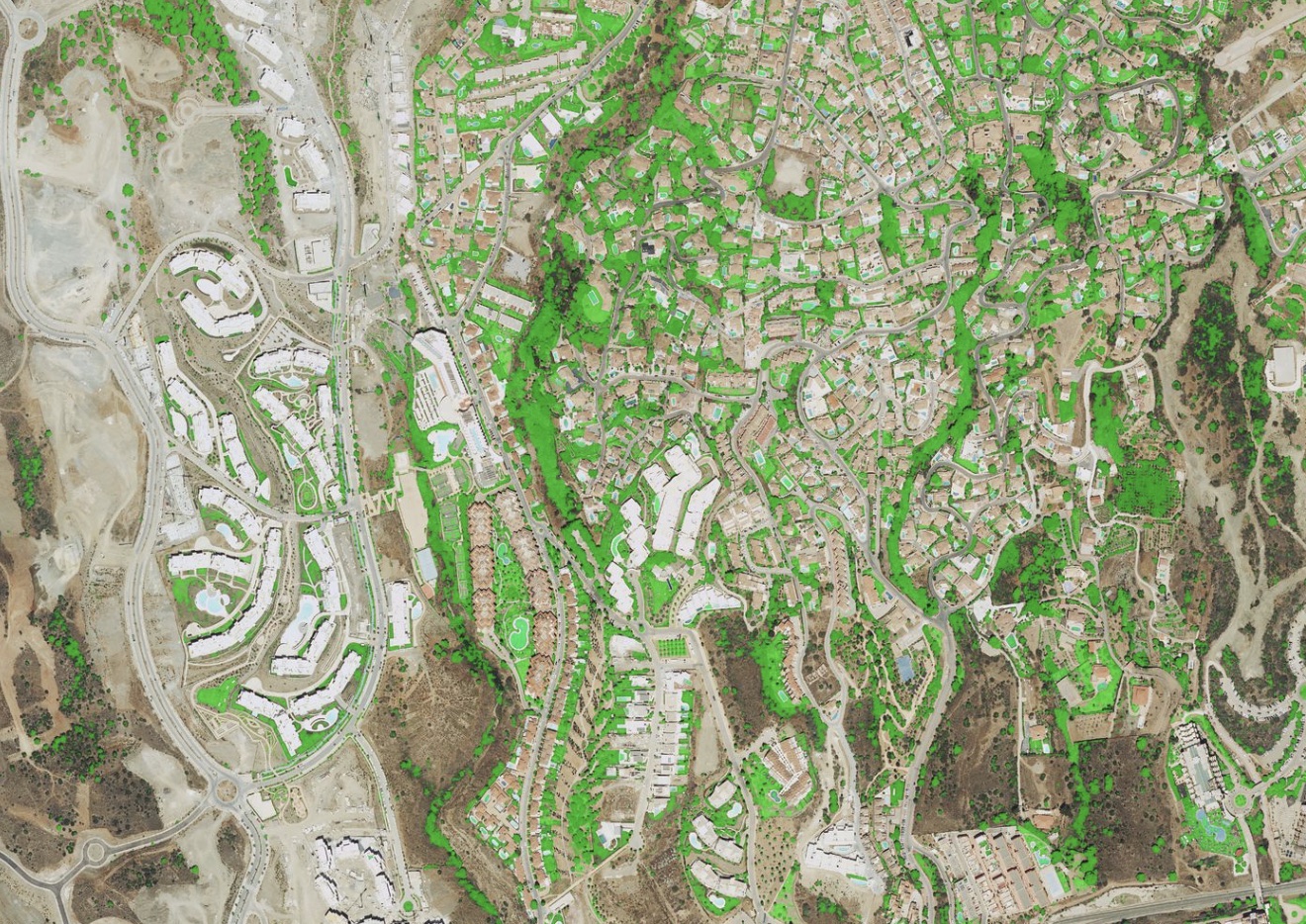
Reading vegetation cover, ecological connectivity and opportunity areas helps identify where an urban environment can gain resilience, environmental value and territorial quality.
Biodiversity reduces vulnerability, improves the ecosystem’s ability to recover and increases the ecological value of the asset. More resilience means lower territorial risk, stronger long-term value and a more defensible strategic thesis.
Environmental and patrimonial reading of the asset to support value, potential and risk.
Identification of restoration, biodiversity, water, landscape, natural infrastructure and sustainability opportunities.
Technical and economic roadmap to move from assessment to action, investment or project delivery.
Our difference lies in combining patrimonial judgement, environmental science, proprietary technology and execution capacity on the ground.
We translate biodiversity, water, soil, landscape and climate resilience into management, investment and project decisions.
We design projects, budget them, coordinate execution and provide technical traceability for monitoring and communication.
We do not treat territory as a generic surface: we analyse its ecological, productive, regulatory and patrimonial capacity.
We build a value narrative that helps defend risk, opportunity, impact and long-term strategy before boards, partners or committees.
We integrate technical and academic knowledge into territorial assessment, ecological land analysis and the design of traceable restoration projects.

Families and private owners seeking to understand, manage, regenerate or transfer a territory with a clear value thesis.
Investors evaluating assets, risks and opportunities linked to land, resilience and natural capital.
Companies seeking to invest in natural capital, reduce climate vulnerability and build traceable territorial projects.
Organisations integrating biodiversity, water, soil and restoration into projects with measurable positive impact.
