Copernicus
Sentinel-1 and Sentinel-2 for structural metrics, productivity, moisture, vegetation and temporal continuity.
A living laboratory in a real landscape, using technology, science and field monitoring to measure ecosystem condition and demonstrate ecological improvement with defensible data.
It is not a conventional laboratory or a one-off technical report. It is a real landscape where land managers, public authorities, science and the private sector design, test and adapt ecological restoration interventions while the ecosystem itself responds.
Technology makes that response observable over time: Copernicus Sentinel imagery, ecological modelling, field sensors, camera traps, passive acoustic monitoring and periodic follow-up. The outcome is a time series of evidence: what changes, where it changes, how much it improves and which intervention explains that improvement best.
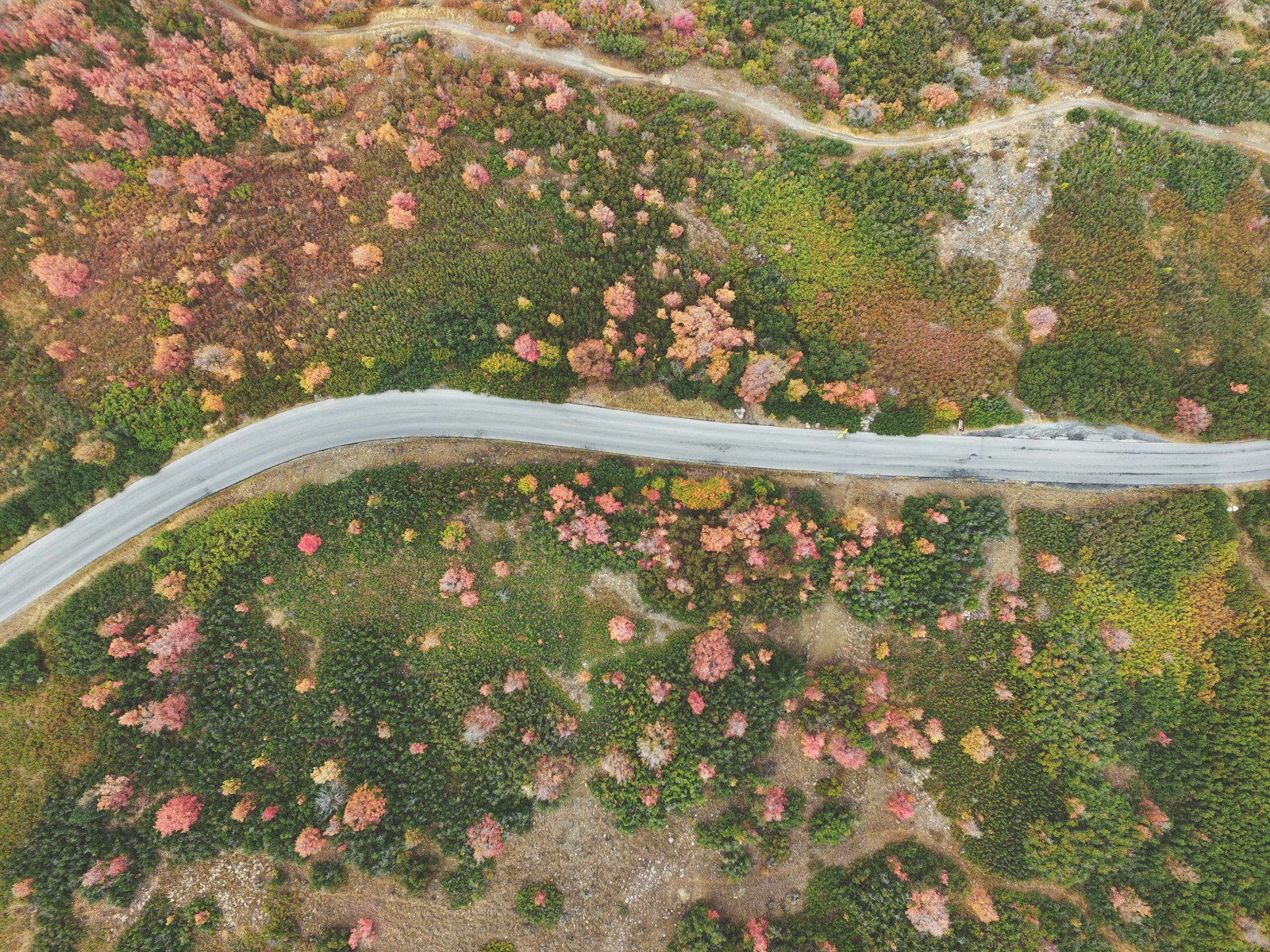
Ecosystem condition is measured through three complementary dimensions: the physical configuration of habitat, the biological communities present and the ecological processes sustained by the system.
Sentinel-1 and Sentinel-2 for structural metrics, productivity, moisture, vegetation and temporal continuity.
Translation of satellite signals into condition indicators and ecological evolution scenarios.
Camera traps and passive acoustic monitoring to verify biological response in fauna, birds, orthoptera and bats.
Baseline, periodic measurements and traceability to demonstrate additional improvement against the initial state.

Each measurement cycle feeds back into the intervention design: if an action does not generate ecological response, it is adjusted; if satellite improvement is not confirmed in the field, it is reviewed; if wildlife responds, the project gains evidence that is difficult to replace.
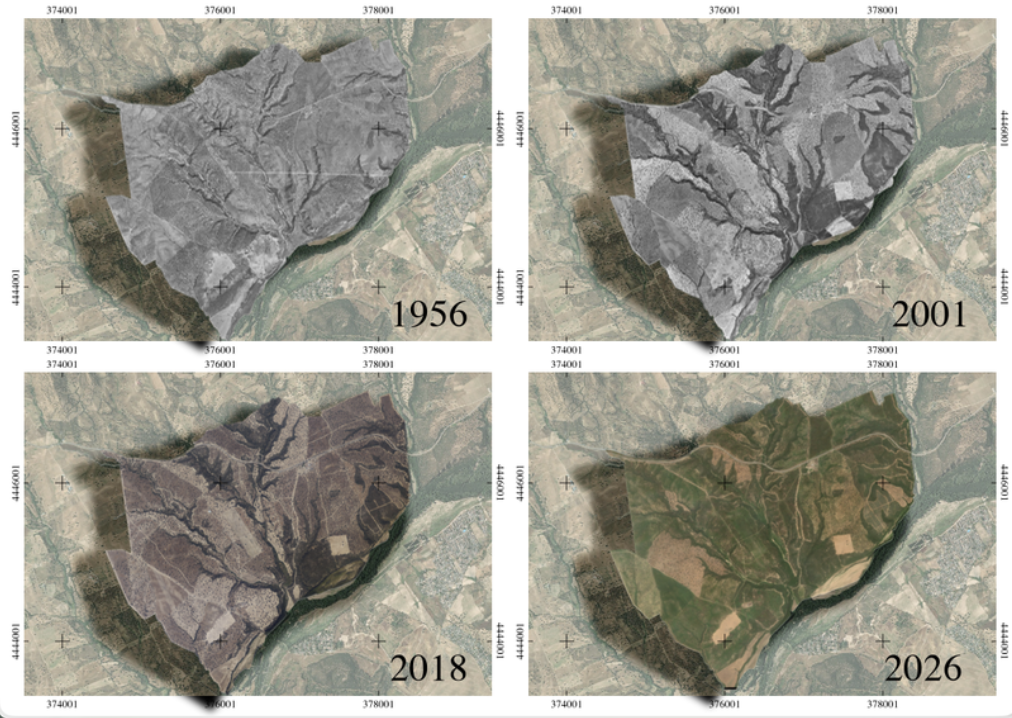
The approach is inspired by living-lab experiences in real territories, such as La Ronca’s ACC Lab, where ecological measurement is combined with management, learning and continuous improvement.
The Living Lab does not replace official certification or regulatory verification where those are required. Its role is to create a measurement, learning and evidence infrastructure so restoration can be assessed rigorously.
Discuss the Living Lab